

How Does Concrete Plant Work?
October 20, 2025
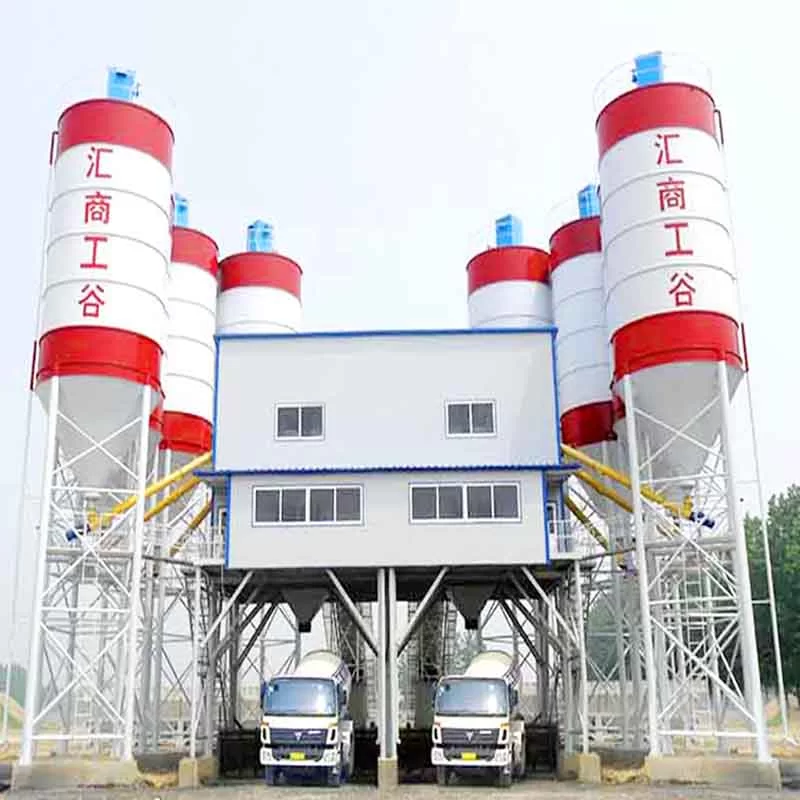
Aggregate Batching: The first stage is the measurement and batching of aggregates, such as sand, gravel, or crushed stone. These aggregates are stored in separate bins or compartments. The plant’s control system accurately measures and dispenses the required quantities of each aggregate based on the concrete mix design.
Cement and Admixture Addition: Cement, which acts as a binding agent, is stored in silos or silo-like structures. The plant’s control system weighs and adds the appropriate amount of cement to the mixture. Similarly, any required admixtures, such as water reducers or chemical additives, are also added at this stage to enhance specific characteristics of the concrete.
Mixing: Once the aggregates, cement, and admixtures are properly added, the mixing process begins. The plant’s mixer, which can be a rotating drum or a twin-shaft mixer, thoroughly blends the ingredients into a homogeneous mixture. The mixing duration is typically controlled to ensure proper consolidation and uniformity.
Water Addition: During or after the mixing stage, water is added to achieve the desired consistency of the concrete. The plant’s control system controls the water addition to maintain the specified water-cement ratio, which is crucial for achieving the desired strength and workability of the concrete.
Conveying and Discharging: Once the mixing process is complete, the mixed concrete is conveyed to the desired location. This can be done through a conveyor belt, bucket elevator, or other conveying systems. The concrete is then discharged into trucks, concrete pumps, or other containers for transportation to the construction site.
Cleaning and Maintenance: After each batch, it is important to clean the plant’s mixer, conveyor system, and other components to prevent any cross-contamination between different concrete mixes. Regular maintenance and inspections of the plant are also essential to ensure its optimal performance and longevity.
The entire process in a concrete plant is carefully controlled by computerized systems, which monitor and adjust various parameters to ensure accurate proportioning, mixing, and quality control. This helps in producing consistent, high-quality concrete that meets the desired specifications for construction projects.
Contact to Get Customized Solution
Hit enter to search or ESC to close


