

Is Portable And Mobile Concrete Batching Plant Worthing Buying?
October 20, 2025
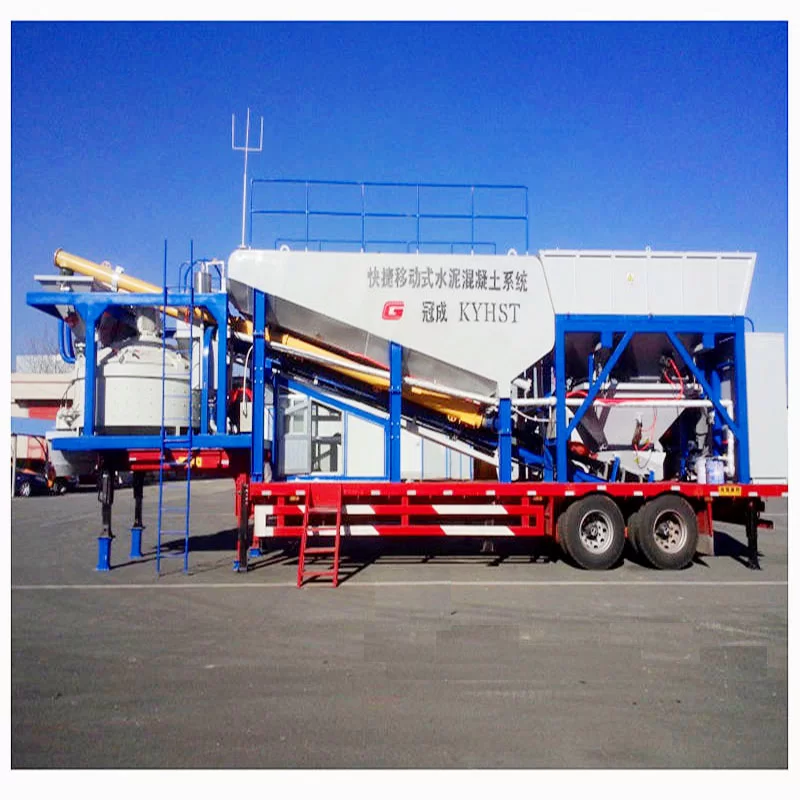
Portable and mobile concrete plants are indeed worth considering for certain construction projects, especially those that require flexibility, rapid deployment, and the ability to produce concrete on-site. Here are some key points to consider when evaluating the worthiness of investing in portable and mobile concrete plants:
Flexibility and Mobility
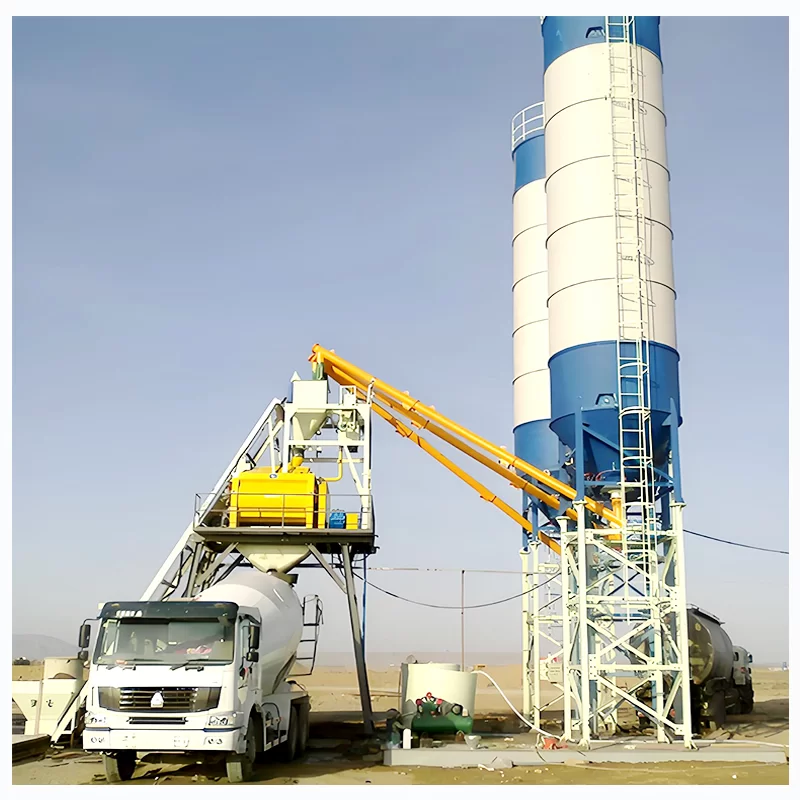
Portable and mobile concrete plants provide the flexibility to set up a concrete production facility directly at the construction site. This eliminates the need for transportation of concrete from a centralized plant, reducing logistical complexities and costs.
On-Demand Concrete Production
These plants are capable of on-demand concrete production, which can be indispensable for projects with varying concrete requirements or for those that demand immediate responsiveness to changes in construction schedules.
Cost and Time Efficiency
By minimizing transportation distances and streamlining the concrete production process, portable and mobile plants offer potential cost savings and time efficiencies, thus making them beneficial for construction projects with strict budget and timeline constraints.
Remote or Challenging Locations
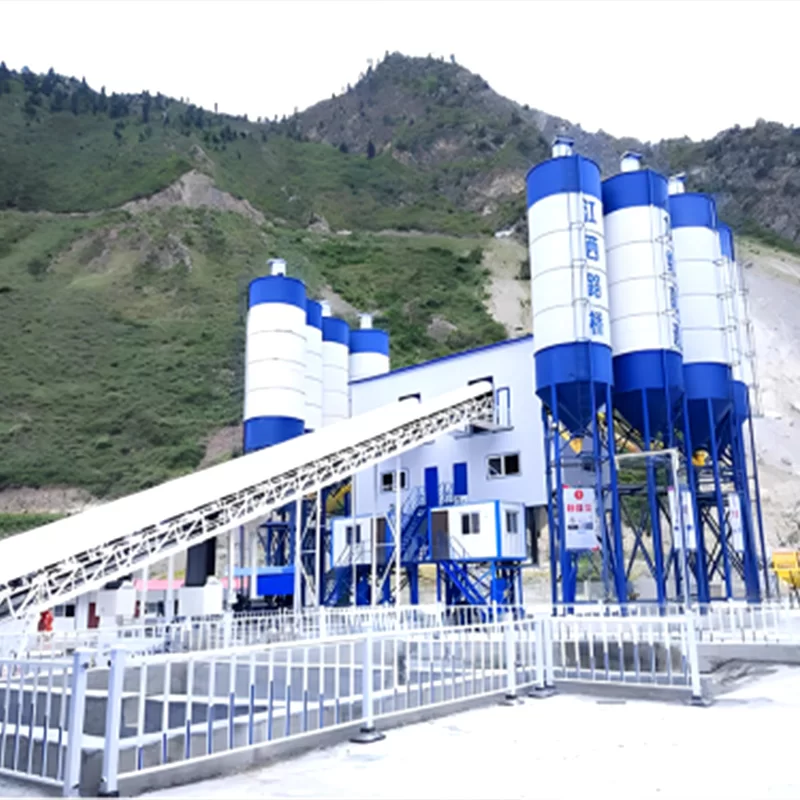
In remote or challenging locations where access to a centralized concrete plant is limited, portable and mobile concrete plants provide a self-sufficient solution, ensuring a consistent and reliable supply of concrete.
Space Utilization and Environmental Impact
These plants are designed to optimize space utilization and minimize environmental impact, making them suitable for projects that prioritize sustainability and efficient resource management.
Project-Specific Needs
The decision to invest in a portable or mobile concrete plant should be based on the specific requirements of the construction project, such as the expected concrete demand, duration of the project, and the availability of infrastructure for on-site installation.
In conclusion, the worthiness of purchasing a portable or mobile concrete plant depends on the unique demands and constraints of the construction projects in question. When carefully evaluated and utilized in the appropriate context, these plants can offer significant advantages in terms of flexibility, efficiency, and cost-effectiveness, making them a valuable asset for construction operations.
Contact to Get Customized Solution
Hit enter to search or ESC to close


