

Concrete Batching Plant In Building Construction Engineering
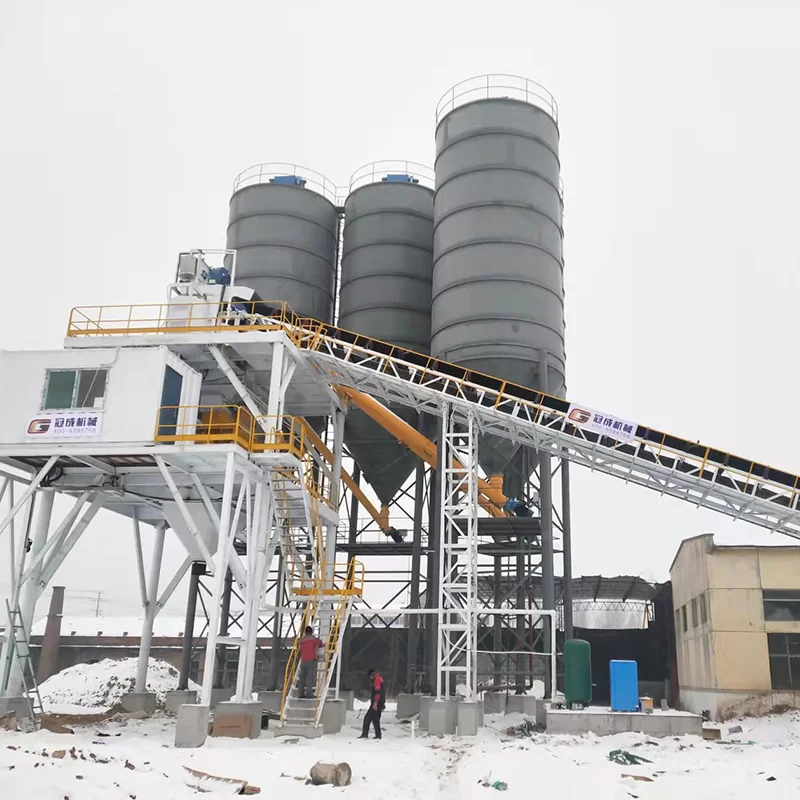
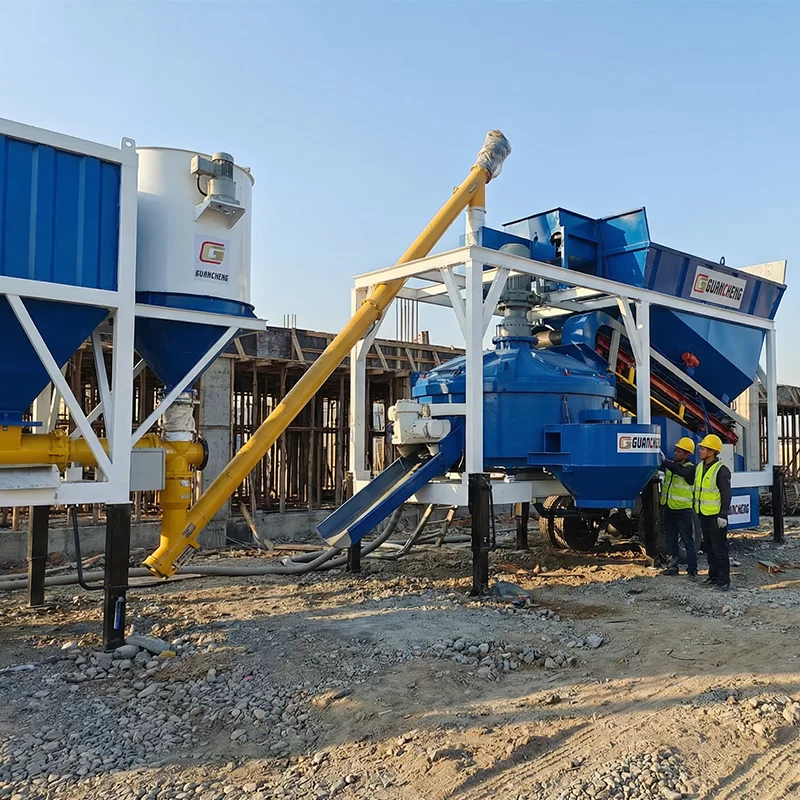
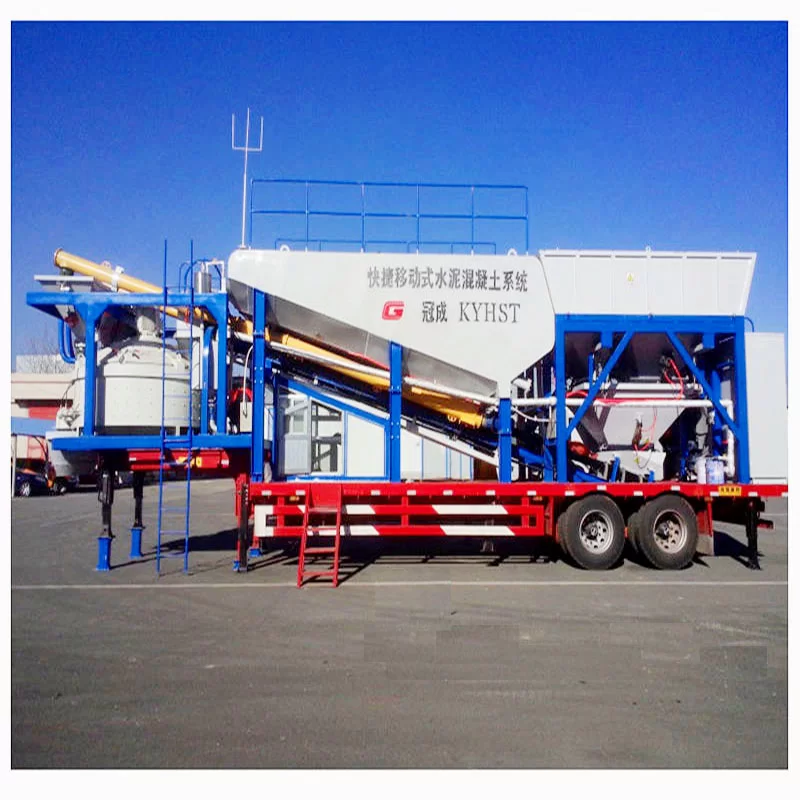
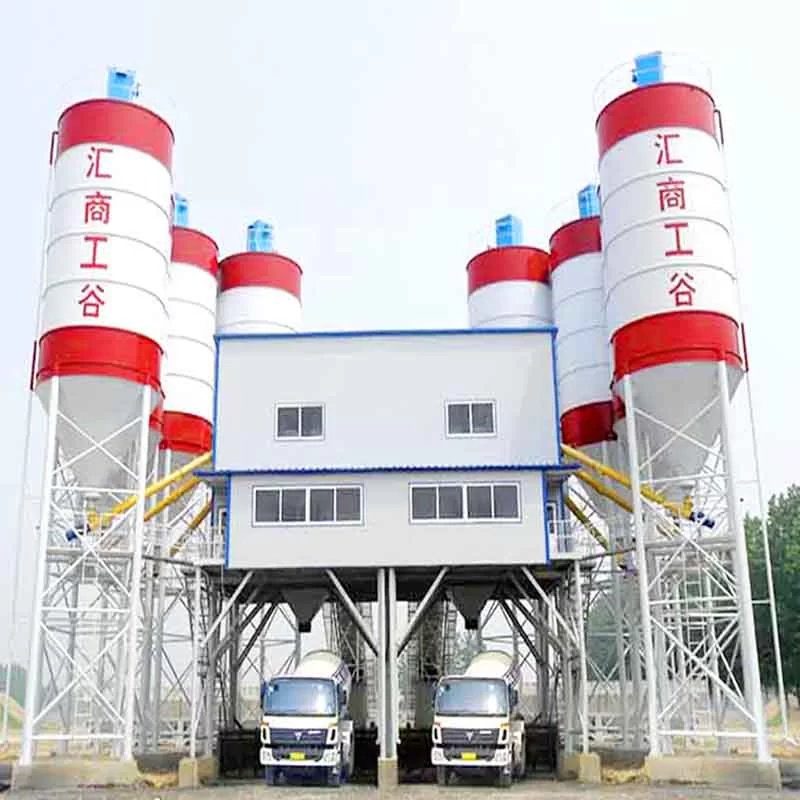
Concrete batching plants play a vital role in modern building construction engineering, serving as the primary equipment for producing high-quality concrete in a centralized, efficient, and controlled manner. As urbanization accelerates and building structures become larger and more complex, the demand for stable concrete supply, precise quality control, and high construction efficiency continues to increase. In this context, concrete batching plants have become an indispensable part of the construction industry.
In building construction projects, such as residential complexes, commercial buildings, office towers, industrial plants, and public facilities, concrete is the most widely used structural material. The strength, durability, and overall safety of a building are directly determined by the quality of concrete used during construction. Concrete batching plants ensure that raw materials including cement, aggregates, water, and admixtures are accurately measured and thoroughly mixed, producing concrete that meets strict engineering and design requirements.
One of the key advantages of using a concrete batching plant in building construction is the ability to maintain consistent concrete quality. Unlike manual or on-site small-scale mixing, batching plants operate with automated weighing and mixing systems that significantly reduce human error. Each batch of concrete is produced according to a preset formula, ensuring uniform strength, workability, and durability throughout the entire structure. This consistency is especially critical for high-rise buildings and large foundations where variations in concrete quality can lead to structural risks.
Building construction often requires continuous and large-volume concrete pouring, particularly during foundation works, basement slabs, shear walls, and structural frames. Concrete batching plants are designed for continuous production, enabling uninterrupted concrete supply over long periods. This capability helps prevent cold joints and construction delays, ensuring structural integrity and smooth construction progress. For large-scale projects, high-capacity batching plants can meet peak demand during intensive construction stages.
Another important application advantage is improved construction efficiency. With centralized concrete production, construction teams can focus more on structural assembly and site management rather than material preparation. The reliable output of a batching plant shortens construction cycles, accelerates project schedules, and enhances overall productivity. In fast-paced urban construction environments, this efficiency is essential for meeting delivery deadlines and controlling project costs.
Concrete batching plants also provide strong support for producing different concrete grades required in building engineering. Modern buildings often use multiple types of concrete, such as ordinary structural concrete, high-strength concrete, self-compacting concrete, and waterproof concrete. Through precise proportion control and flexible recipe adjustment, batching plants can easily switch between different mix designs to meet diverse structural and functional requirements within the same project.
In high-rise and super high-rise buildings, structural loads are significant, and concrete performance requirements are extremely strict. Concrete batching plants enable the production of high-strength and high-performance concrete by accurately controlling cement content, aggregate grading, water–cement ratio, and chemical admixtures. This capability supports advanced building designs and improves the safety and durability of modern structures.
Environmental protection is another important aspect of concrete batching plant application in building construction. Urban construction sites are subject to strict environmental regulations regarding dust, noise, and material waste. Modern batching plants are equipped with dust collection systems, enclosed material conveying, and wastewater recycling devices. These features reduce environmental impact, improve site cleanliness, and help construction companies comply with environmental standards.
From a management perspective, concrete batching plants significantly enhance construction quality control. Production data such as material consumption, batching records, and output volumes can be automatically recorded and monitored. This data supports quality traceability, cost accounting, and project supervision, providing strong technical support for modern construction management systems.
Concrete batching plants also contribute to improved safety on building sites. By reducing on-site material storage and manual mixing operations, potential safety hazards are minimized. Centralized production decreases congestion at construction sites and lowers the risk of accidents related to material handling and transportation.
In large residential communities and commercial complexes, construction is often divided into multiple phases. A batching plant can continuously support different construction stages, ensuring stable supply throughout the project lifecycle. For long-term projects, this stability helps contractors maintain consistent quality standards and avoid fluctuations caused by external concrete supply interruptions.
In addition, concrete batching plants play a critical role in precast and semi-precast building systems. With the growing adoption of prefabricated construction methods, batching plants provide high-precision concrete for precast components such as beams, columns, slabs, and wall panels. Accurate batching and uniform mixing are essential to ensuring dimensional accuracy and mechanical performance of prefabricated elements.
With the continuous advancement of automation and intelligent technology, modern concrete batching plants are increasingly integrated with digital construction systems. Remote monitoring, intelligent control, and data analysis functions further improve operational efficiency and quality assurance. These developments align well with the trend toward smart construction and industrialized building methods.
In conclusion, the application of concrete batching plants in building construction engineering is fundamental to achieving high-quality, efficient, and sustainable construction. By providing stable concrete supply, precise quality control, flexible production capability, and environmentally friendly operation, batching plants support the safe construction of modern buildings. As the construction industry continues to evolve toward larger scale, higher standards, and smarter management, concrete batching plants will remain a core foundation of building engineering development.
If you have questions, please contact our experts
Do you need to contact us? Welcome to contact our expert team for professional consultation and technical support, to efficiently solve various product and project questions for you.
Hit enter to search or ESC to close


