

Mobile Concrete Mixing Plant In Road And Highway Engineering
The rapid development of transportation infrastructure has created higher demands for construction efficiency, concrete quality, and on-site flexibility. Road and highway engineering projects are typically characterized by long construction lines, multiple working sections, tight schedules, and frequent changes in construction locations. Under such conditions, traditional stationary concrete batching plants often face limitations in terms of transportation distance, installation time, and overall cost control. The mobile concrete mixing plant has therefore become an increasingly important solution in modern road and highway construction.
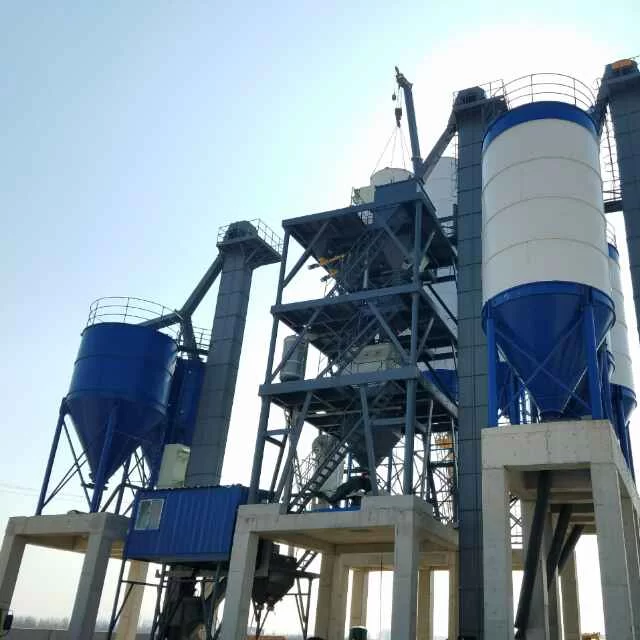
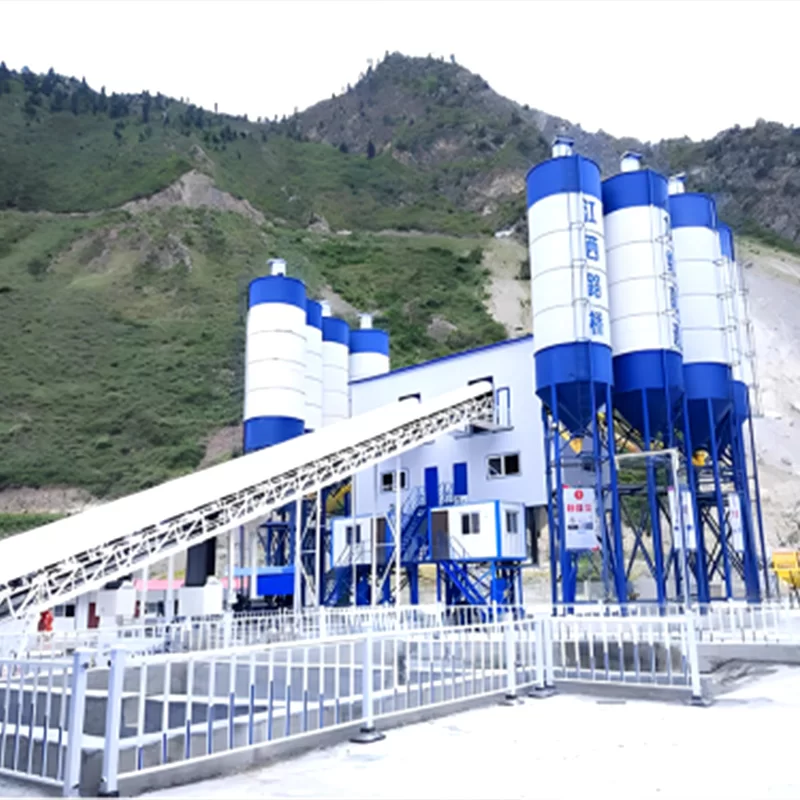
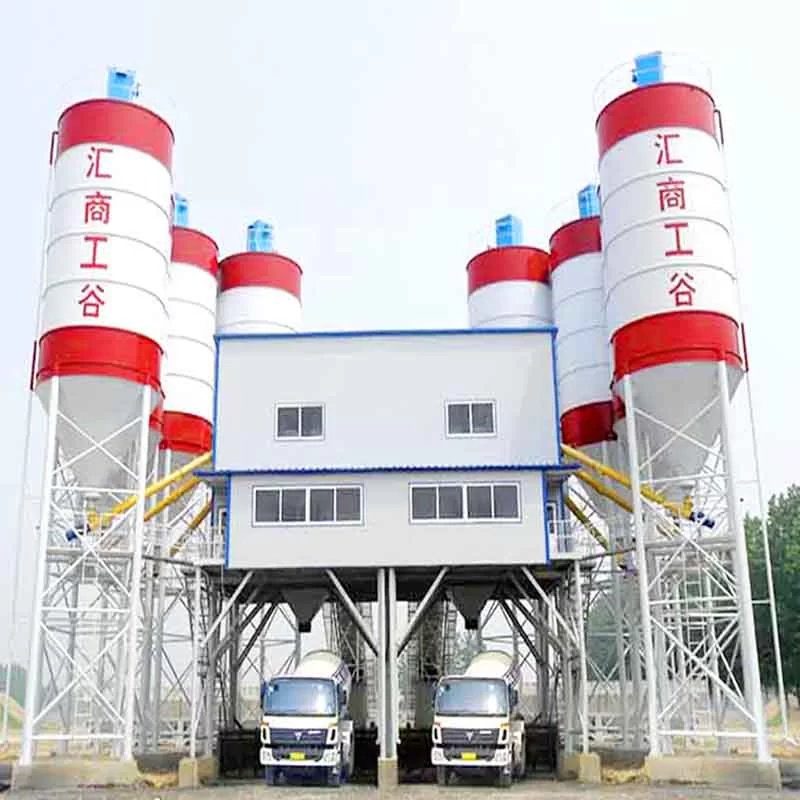
A mobile concrete mixing plant is specially designed to meet the dynamic requirements of linear infrastructure projects. Its integrated structure combines aggregate batching, weighing, mixing, material conveying, and automatic control systems into a compact and transportable unit. This design enables the plant to be quickly moved along the construction route and installed near the working area, providing continuous and reliable concrete supply directly at or near the job site.
One of the most significant advantages of using a mobile concrete mixing plant in road and highway engineering is the ability to produce concrete locally. In traditional construction methods, concrete is often transported from centralized commercial batching plants located far from the site. Long transportation distances not only increase fuel and logistics costs but also raise the risk of concrete segregation, slump loss, and delayed pouring. By contrast, a mobile mixing plant can be positioned close to the paving or structural area, ensuring fresh concrete delivery and stable workability, which is critical for pavement quality and structural durability.
Road and highway projects usually involve various types of concrete, including pavement concrete, curb concrete, drainage structures, base layers, and auxiliary components. Mobile concrete mixing plants are equipped with precise weighing systems and programmable control units that allow operators to easily adjust mix proportions according to project requirements. This flexibility makes it possible to produce different concrete grades and formulations on demand, improving construction adaptability and reducing material waste.
Another important application advantage lies in the plant’s ability to support continuous and large-volume concrete production. Highway construction often requires long and uninterrupted pouring processes, especially during pavement works. Any interruption in concrete supply may affect surface smoothness and structural integrity. Mobile concrete mixing plants are designed for stable, continuous operation, ensuring uniform mixing quality and consistent output throughout the construction process. This reliability plays a crucial role in meeting strict engineering standards and inspection requirements.
In mountainous areas, rural regions, or newly developed transportation corridors, access to commercial concrete plants is often limited. Establishing a permanent batching plant in such locations requires high investment, long construction time, and complex approval procedures. Mobile concrete mixing plants offer an efficient alternative, as they require minimal foundation work and can be installed within a very short period. Once the project section is completed, the equipment can be quickly dismantled and transferred to the next location, significantly improving equipment utilization and reducing idle time.
Environmental protection has become a key consideration in modern road and highway engineering. Construction activities must comply with increasingly strict environmental regulations related to dust emission, noise control, and material management. Mobile concrete mixing plants are typically equipped with enclosed conveying systems, dust collectors, and sealed cement feeding structures. These features effectively reduce pollution at the construction site, helping contractors meet environmental standards while maintaining efficient production.
The use of mobile concrete mixing plants also contributes to improved project management. With an integrated automatic control system, operators can monitor material consumption, production output, and equipment status in real time. Production data can be recorded and analyzed to support quality control, cost management, and construction planning. This level of digital management enhances transparency and allows project teams to respond quickly to changes in construction progress or material demand.
From a cost perspective, mobile concrete mixing plants provide significant economic advantages in road and highway projects. By reducing long-distance concrete transportation, contractors can lower fuel expenses, vehicle maintenance costs, and labor requirements. At the same time, on-site production minimizes material loss caused by delays or rejected concrete, improving overall cost efficiency. For large-scale highway projects extending over dozens or even hundreds of kilometers, these savings can be substantial.
Safety is another important aspect in highway construction environments, where traffic organization and site management are often complex. Producing concrete close to the working area reduces the number of mixer trucks traveling back and forth on temporary roads, lowering traffic pressure and minimizing safety risks. This contributes to a safer and more orderly construction environment.
Furthermore, mobile concrete mixing plants are highly adaptable to different climates and working conditions commonly encountered in road engineering. Whether operating in high-temperature regions, cold climates, or areas with limited infrastructure, the plant can be configured with insulation systems, heating devices, or independent power supply units to ensure stable operation. This adaptability makes mobile mixing plants suitable for both domestic and international highway projects.
In long-term highway construction programs, projects are often divided into multiple sections implemented in phases. A mobile concrete mixing plant can follow the progress of construction, serving different sections sequentially. This mobility ensures that the same equipment can support the entire project lifecycle, maximizing return on investment and improving overall construction efficiency.
In conclusion, the application of mobile concrete mixing plants in road and highway engineering provides a highly effective solution for modern infrastructure development. Through on-site concrete production, flexible relocation, fast installation, stable performance, and environmentally friendly operation, mobile mixing plants address many of the challenges associated with linear construction projects. As transportation networks continue to expand and project requirements become more demanding, mobile concrete mixing plants will play an increasingly vital role in ensuring high-quality, efficient, and sustainable road and highway construction.
If you have questions, please contact our experts
Do you need to contact us? Welcome to contact our expert team for professional consultation and technical support, to efficiently solve various product and project questions for you.
Hit enter to search or ESC to close


